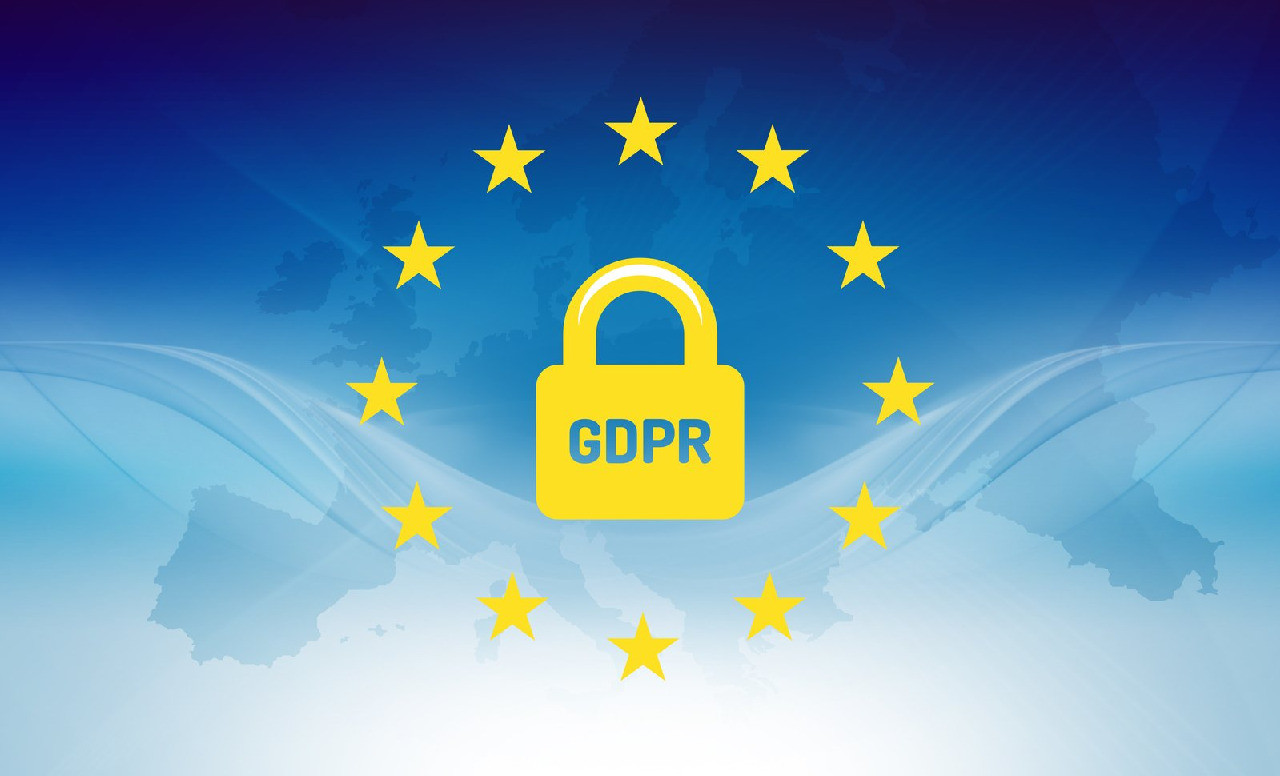
GDPR compliance in US simplifies rules on how businesses should gather, process, store, and protect client data. It is related to EU clients. If your business is based in the US, but you provide services in the EU, you should learn about the necessary regulatory compliance. The regulations are enforced to strengthen privacy rights and data protection.
While the EU simplifies privacy regulations, businesses find them difficult to understand. Here’re 5 common challenges businesses face with GDPR.
1. Understanding Complex Regulatory Requirements
The first challenge is to understand the regulations. The problem starts when businesses encounter multiple rules related to consent management, data processing, user rights, breach notifications, and documentation. The legal terminology adds more complexities. Here, businesses need the help of an expert. Misunderstanding rules can lead to non-compliance and penalties.
2. Identifying and Mapping Personal Data
Another challenge with GDPR compliance is that businesses find it difficult to understand what personal data they can collect and store. Data mapping poses a serious challenge as personal data is spread across various websites. Businesses need a clear inventory for data. The absence of clarity on data sources leads to confusion and misunderstanding.
3. Managing Third-Party Data Processors
Business organizations often take the help of vendors for analytical tools, cloud storage, and marketing platforms. The rules make it mandatory for them to evaluate vendor compliance. You will agree that it is a time-consuming job. You also need proper knowledge and experience in monitoring vendor compliance.
4. Implementing Strong Data Security Measures
The need for appropriate technical security measures to ensure data privacy is also a challenge in GDPR compliance in US. It includes regular security testing, encryption, access controls, and incident response plans. The things don’t end here. Implementing these security measures requires a significant investment in the latest technology. It is a challenge for small businesses.
5. Handling Data Subject Rights Requests
Individuals are allowed access to their data. They can request data access to make changes, corrections, deletions, or transfer data to other platforms. However, the responsibility of responding to client requests lies with business organizations. The challenge is to allow data access without compromising security.
Conclusion
GDPR compliance has challenges, but it is necessary to ensure data privacy and protect the rights of individual clients. The best thing business organizations can do is to invest in advanced data management, security systems, and compliance processes. They can also take the help of experts.