In today’s digital business environment, protecting sensitive information is more important than ever. Organizations that handle customer data, financial records, and confidential business information must demonstrate that they have strong security controls in place. This is where SOC Compliance plays a crucial role.
Businesses across industries are increasingly pursuing SOC Compliance to prove their commitment to security, privacy, and operational excellence. Whether you are a cloud service provider, SaaS company, financial institution, or technology organization, achieving SOC compliance can help build trust with customers and stakeholders while reducing cybersecurity risks.
What Is SOC Compliance?
SOC Compliance refers to adherence to the Service Organization Control (SOC) framework developed by the American Institute of Certified Public Accountants (AICPA). SOC reports evaluate how effectively an organization manages and protects customer data through established controls and security measures.
The primary purpose of SOC Compliance is to provide assurance that a company has implemented effective processes to safeguard information and maintain operational integrity. Organizations that achieve compliance demonstrate transparency and accountability in managing sensitive data.
As customers become more concerned about data security, SOC compliance has become a key requirement when selecting vendors, software providers, and business partners.
Why SOC Compliance Matters for Modern Businesses
Cyber threats continue to evolve, making data protection a top priority for organizations worldwide. A security breach can lead to financial losses, reputational damage, and regulatory consequences.
By achieving SOC Compliance, businesses show that they have established robust controls to protect critical systems and information. This not only strengthens security but also provides customers with confidence that their data is being handled responsibly.
Many enterprise clients require vendors to provide SOC reports before entering into contracts. Therefore, SOC compliance often becomes a competitive advantage that can accelerate sales and support business growth.
Types of SOC Compliance Reports
Understanding the different SOC reports is essential when developing a compliance strategy.
SOC 1 Compliance
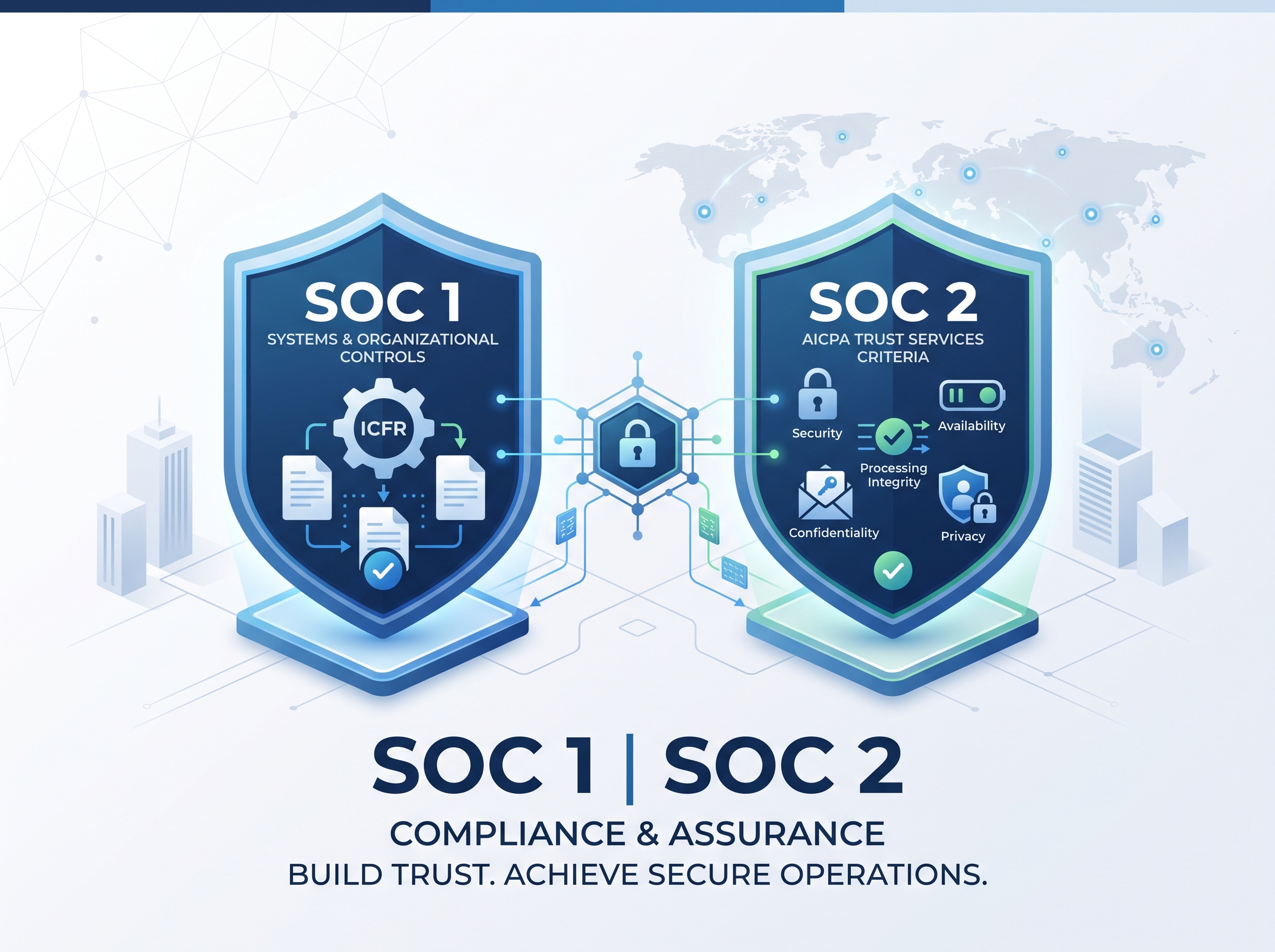
SOC Compliance under SOC 1 focuses on controls relevant to financial reporting. Organizations that process financial transactions or support financial operations often pursue SOC 1 assessments.
The report evaluates whether controls are designed and operating effectively to ensure accurate financial reporting.
SOC 2 Compliance
SOC 2 is the most widely recognized form of SOC Compliance for technology and service organizations. It evaluates controls based on five Trust Services Criteria:
- Security
- Availability
- Processing Integrity
- Confidentiality
- Privacy
SOC 2 compliance is especially important for SaaS companies, cloud providers, and businesses that store customer data.
SOC 3 Compliance
SOC 3 reports contain similar information to SOC 2 but are designed for public distribution. Organizations often use SOC 3 reports as marketing tools to demonstrate their commitment to security and trust.
Key Requirements for SOC Compliance
Achieving SOC Compliance requires organizations to establish and maintain effective internal controls across multiple areas.
Security Controls
Security serves as the foundation of SOC compliance. Organizations must implement safeguards such as access controls, authentication mechanisms, encryption, and network monitoring to protect systems and data from unauthorized access.
Risk Management Processes
Effective risk management is another critical component of SOC Compliance. Businesses must identify potential threats, assess vulnerabilities, and implement measures to reduce risks.
Regular risk assessments help organizations adapt to changing cybersecurity challenges and maintain compliance over time.
Monitoring and Incident Response
Continuous monitoring enables organizations to detect security issues before they escalate into serious incidents. A well-defined incident response plan ensures that threats are addressed quickly and effectively.
Strong monitoring practices support ongoing SOC Compliance by demonstrating a proactive approach to security management.
Benefits of Achieving SOC Compliance
Organizations that invest in SOC Compliance gain several strategic advantages.
One major benefit is increased customer trust. Clients want assurance that their data is protected, and SOC reports provide independent validation of an organization’s security practices.
SOC compliance can also improve operational efficiency by encouraging businesses to standardize processes and strengthen internal controls. This often leads to better risk management and reduced likelihood of costly security incidents.
Another advantage is enhanced market credibility. Many organizations use SOC compliance as a differentiator when competing for enterprise customers and business partnerships.
Additionally, SOC compliance can simplify vendor assessments, helping organizations meet customer requirements more quickly and efficiently.
Challenges in Maintaining SOC Compliance
Although the benefits are significant, achieving and maintaining SOC Compliance requires ongoing effort.
Organizations must continuously monitor controls, update security policies, train employees, and address emerging risks. Compliance is not a one-time project but an ongoing commitment to security and governance.
Rapid technological changes can also create challenges. As businesses adopt new applications, cloud environments, and digital services, controls must be reviewed and adjusted to maintain compliance.
Working with experienced compliance consultants can help organizations navigate these challenges and prepare for successful audits.
Best Practices for Successful SOC Compliance
Build a Strong Compliance Framework
Organizations should begin by establishing clear policies, procedures, and responsibilities related to security and risk management.
A structured framework creates a solid foundation for achieving and sustaining SOC Compliance.
Conduct Regular Internal Assessments
Regular evaluations help identify control gaps before official audits occur. Internal reviews enable organizations to strengthen processes and improve audit readiness.
Promote a Security-Focused Culture
Employees play a critical role in maintaining compliance. Providing ongoing security awareness training helps reduce human errors and strengthens overall organizational security.
The Future of SOC Compliance
As cybersecurity threats continue to increase, the importance of SOC Compliance will only grow. Organizations are expected to face greater scrutiny regarding how they manage and protect sensitive information.
Emerging technologies such as artificial intelligence, cloud computing, and automation will create new opportunities and challenges for compliance programs. Businesses that prioritize SOC compliance today will be better positioned to meet future security expectations and regulatory requirements.
Conclusion
SOC Compliance has become a vital component of modern business operations. It provides organizations with a structured framework for protecting sensitive data, managing risks, and demonstrating accountability to customers and stakeholders.
By implementing strong controls, maintaining continuous monitoring, and fostering a culture of security, businesses can achieve SOC compliance and strengthen their competitive position in the marketplace. As trust becomes increasingly important in the digital economy, SOC compliance serves as a powerful indicator of an organization’s commitment to security, reliability, and excellence.